At a glance
| Hong Kong mahjong | American mahjong (NMJL) | |
|---|---|---|
| Tiles | 144: three suits, winds, dragons, four flowers and four seasons | 152: the same, plus 8 jokers |
| Jokers | None | 8, standing in for any tile in a group of three or more |
| Which hands win | Any four sets and a pair (or Thirteen Orphans) | Only the hands printed on the current year's card |
| Before play | Nothing: the dealer discards first | The Charleston, a set of tile passes |
| Runs (chows) | Yes, and you can claim one from the player before you | No claiming for runs; runs appear only as card patterns |
| Flowers | Bonus tiles: set aside, replaced, scored | Part of the hand, used in card patterns |
| Minimum to win | Usually 3 faan (三番起糊) | Any hand on the card |
| Scoring | Add up faan from the hand's patterns, then a payout table | The value printed beside the hand on the card |
| Who pays a discard win | Usually the discarder alone (全銃) | Everyone pays; the discarder pays double |
| Equipment | Tiles and dice; no racks | Racks (often with pushers) and the card |
The tiles: no jokers, and flowers are a bonus
A Hong Kong set has 144 tiles: dots, bamboo and characters from 1 to 9 (four of each), the four winds and three dragons (four of each), and eight bonus tiles, four flowers and four seasons, numbered 1 to 4. An American set adds eight jokers, for 152.


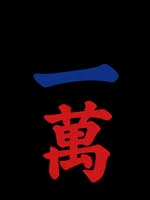
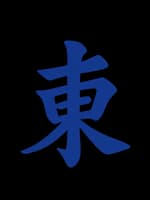
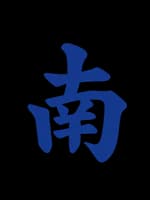
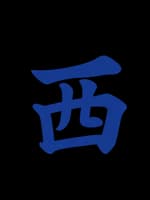
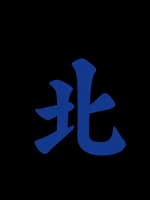
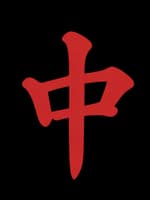
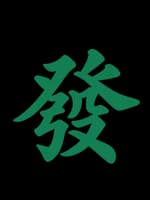

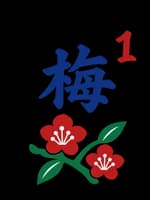
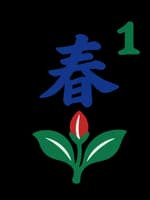
- Flowers aren't part of your hand. When you draw one, you set it face up beside you and draw a replacement from the back of the wall. They earn faan at the end: 1 for each flower or season with your seat's number, more for a full set of four, and in the standard rules 1 for holding none at all.
- The White Dragon is just a dragon. It isn't a zero ("soap") as in American year hands, and dragons aren't paired with a suit.
- Every set is exact. With no jokers, a pong is three identical tiles, and there are no quints or sextets: four of a kind (a kong) is the most you can hold.
The tile guide shows all 144 tiles with their Chinese and English names.
No card: four sets and a pair
This is the biggest change. American mahjong is played toward one of the hands on the year's card, and only those hands win. Hong Kong mahjong has one shape for (almost) every winning hand: four sets and a pair.



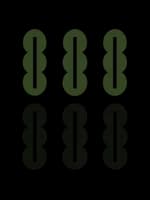
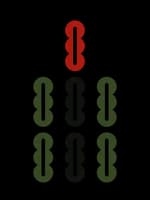

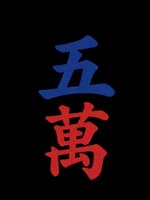
- A set is a chow (three in a row in one suit, like 6-7-8 of Bamboo), a pong (three of a kind) or a kong (four of a kind).
- The pair (眼, "the eyes") is any two identical tiles.
- The one hand outside that shape is Thirteen Orphans (十三么): one of each 1, 9, wind and dragon, plus a duplicate.
Instead of picking a line on a card, you build toward patterns that earn faan: a hand all in one suit plus honours (Half flush, 3 faan), all pongs (3 faan), dragon pongs (1 faan each), winning on your own draw (1 faan), and so on. The patterns never change from year to year.
No Charleston
There's no passing of tiles in Hong Kong mahjong. After the deal, each player swaps out their flowers, and the dealer (East, who holds 14 tiles, as in American mahjong) makes the first discard. A Hong Kong hand starts fast and stays fast: an online hand in Mahjong House usually takes a few minutes.
Claiming discards: chows are allowed
In both games you can take a discard to complete a set, expose it and then discard. The rules for which sets differ:
| Claim | Hong Kong | American |
|---|---|---|
| Win on a discard | Anyone, if the hand is complete and worth enough faan | Anyone, for Mah Jongg, even for a single or a pair |
| Pong (three of a kind) | Anyone holding a pair of it | Anyone, for an exposure (jokers may help) |
| Kong (four of a kind) | Anyone holding three of it | Anyone, for an exposure |
| Chow (a run of three) | Only the next player in turn | Not allowed |
| Quint or sextet | Don't exist | With jokers (or flowers) |
Priority: a win beats a pong or kong, which beats a chow. If two players can win on the same tile, the one next in turn after the discarder takes it.
There is also no joker exchange (no jokers), and no "dead hand" for exposing the wrong sets: any exposures can still make a winning hand, though they might stop it reaching 3 faan. In Mahjong House the game only lets you declare a win that is valid.
The rules guide has the full claiming rules, including kongs and robbing the kong.
Scoring: faan instead of card values
An American hand is worth the value printed on the card. A Hong Kong hand is worth its faan (番), added up from everything it contains:
- How you won: self-draw 1, concealed hand (nothing claimed) 1, winning on the last tile 1, and so on.
- Bonus tiles: your seat's flower or season 1 each, a full set of four 2, no bonus tiles at all 1.
- Honours: a pong of any dragon 1, of your seat wind 1, of the round's wind 1.
- Patterns: all chows 1, all pongs 3, half flush 3, full flush 7; Little three dragons 5, and more.
- Limit hands, such as Thirteen Orphans or Big four winds, score the cap: 10 faan.
You need at least 3 faan to win (三番起糊). A complete hand worth less, called a chicken hand (雞糊), can't be declared under the standard rules, so planning your route to 3 faan matters from the first discard.
The faan then become points on a payout table. With the standard half-spicy (半辣上) table, 3 faan is 4 points, 6 faan is 16 and 10 faan is 64. On a self-draw each opponent pays that amount; on a discard win the discarder pays all three shares alone (全銃), so feeding someone a big hand is expensive. The faan table lists every hand.
How it feels to play
American mahjong rewards choosing the right line on the card early, planning the Charleston and timing your jokers. Hong Kong mahjong is quicker and more open: hands come together in many ways, you claim more often, and the skill is in reading what the others are collecting and not throwing them the tile they need, because the discarder pays.
Tips if you're coming from American mahjong
- Forget the card. Look for the two or three sets your hand is already close to, and keep a pair.
- Chow freely, but only from the player before you, and remember that every claim gives up the concealed-hand faan.
- Count to 3 faan early. A dragon pong plus a half flush, or all pongs, gets you there; a hand with no faan can't win.
- Flowers are free points, not tiles to keep: set them aside and draw again.
- Defend. Late in a hand, throw tiles that have already been discarded rather than feeding a player who looks ready.
Then try it: How to play walks through a first game, the Daily Puzzle is one hand a day, and Mahjong House's Relaxed computer opponents are forgiving teachers.
Other styles you may hear about
- Chinese Official (國標, MCR): the tournament rules, with 81 scoring patterns and an 8-point minimum.
- Taiwanese mahjong: 16 tiles in hand, so a win is five sets and a pair.
- Japanese riichi mahjong: no flowers, a riichi declaration and dora bonus tiles.
All of them share the tiles and the four sets and a pair at heart; Hong Kong mahjong is one of the simplest to start, and the style most Cantonese-speaking families play.